Lifestyle Report — As we navigate the midpoint of 2026, the American consumer landscape has undergone a fundamental transformation. There is a growing, sophisticated rejection of "disposable" culture in favor of products that offer intentional design, material longevity, and a clear value proposition beyond the initial purchase. This shift is particularly evident in the "everyday essentials" category, where items once considered commodities are being rehabilitated through superior engineering and aesthetic consideration. This report explores the evolution of these essentials—from the microscopic fibers we sleep on to the advanced hydration technologies we carry—illustrating how quality-led choices are silently redefining the modern domestic environment.
The Sanctuary of Rest: Material Innovations in Sleep Science
The foundation of human productivity and wellbeing begins in the domestic environment, specifically in the sanctuary of the bedroom. In 2026, sleep hygiene has moved from a fringe wellness topic to a mainstream obsession, driving innovations in textile engineering that were previously reserved for high-end hospitality. The primary driver of this change is the need for consistent thermal regulation during sleep, a challenge met by modern microfiber blends.
The Hotel Luxury Bedding Set represents a significant milestone in this evolution. By utilizing high-density, breathable microfibers with a brushed finish, these textiles achieve a delicate balance: they are durable enough for frequent laundering while maintaining a "cooling" effect that is essential for deep-sleep cycles. This focus on material performance ensures that the environment of rest remains a stable sanctuary, regardless of seasonal fluctuations, highlighting a move towards functional luxury that serves a biological purpose.

Hydration and Sustainability: The Engineering of Portability
Personal carry items have transitioned from mere accessories to critical tools for personal health and environmental stewardship. As single-use plastics continue to be phased out of the modern lifestyle, the engineering of the reusable water bottle has reached its zenith. We are no longer satisfied with mere containment; we demand temperature integrity, leak-proof reliability, and ergonomic versatility.
The Owala FreeSip has become a benchmark in this category, primarily due to its patented dual-function spout. By allowing users to choose between a "sip" through a built-in straw and a "swig" through a wide-mouth opening, it accommodates different physiological needs throughout a high-activity day. This same level of intentionality is found in the STANLEY Quencher H2.0, which has utilized its massive popular cultural footprint to drive the adoption of recycled stainless steel, proving that sustainability can be a primary driver of aesthetic desire.
Crucially, this design philosophy is now being extended to the next generation. The Kids Owala FreeSip applies these same professional-grade standards—leak-proofing and superior insulation—to early childhood development. By providing tools that work as reliably for children as they do for adults, we are seeing a flattening of the market where quality is expected at every age level, fostering better long-term habits through superior hardware.
Ambient Hygiene and Environmental Maintenance
The management of the internal air and surface environment has moved from a reactive cleaning process to a proactive "maintenance" model. In 2026, the most effective domestic tools are those that operate silently in the background, utilizing biological or spectrum-based triggers rather than aggressive chemical intervention. This shift reflects a deepening understanding of the home as a delicate micro-ecosystem that requires gentle, consistent stewardship.
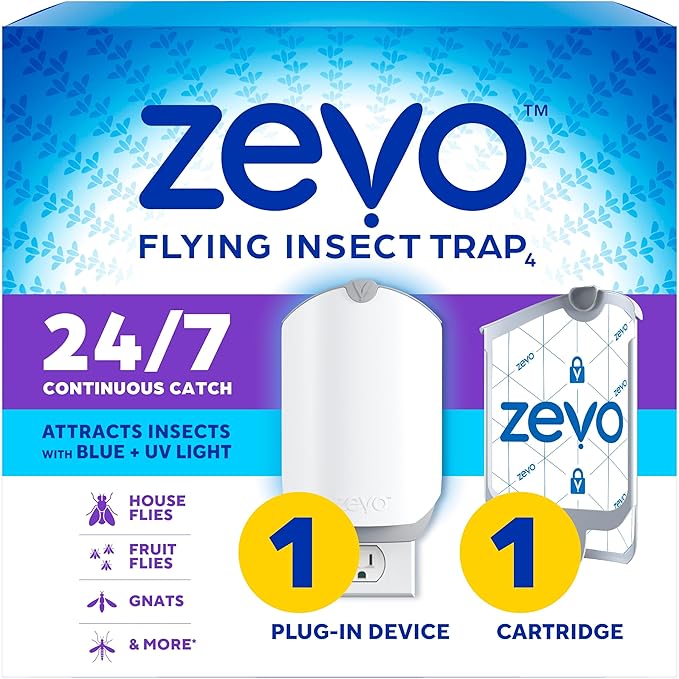
Innovative solutions like the Zevo Flying Insect Trap leverage specific light spectrums to attract and capture environmental pollutants without disrupting the home's chemical balance. This non-invasive approach is a hallmark of the modern home. Even at the most granular level of personal care, staples like precision cotton swabs demonstrate that even simple tools are being held to higher standards of reliability. Whether used for the delicate application of skincare or the cleaning of high-end electronics, the expectation of consistent quality remains the dominant consumer requirement.
Personal Wellness and the Science of Skin Recovery
The convergence of clinical science and at-home skincare has led to the development of highly specialized treatments that respect the skin's biological rhythms. Modern wellness is no longer about "masking" issues, but about supporting the skin's natural ability to recover from environmental stressors. This requires a deep understanding of molecular delivery and material science.
The BIODANCE Bio-Collagen Deep Hydrating Mask is a prime illustration of this trend. By utilizing ultra-low molecular weight collagen, it bypasses the surface-level limitations of traditional masks, allowing for deeper hydration that is visibly evident the next morning. This move towards "overnight recovery" tools respects the modern busy lifestyle. For the daily removal of environmental pollutants, Neutrogena Micellar Makeup Remover Wipes continue to set the standard. By incorporating plant-based, compostable fibers and micellar technology, they provide a solution that is as gentle on the planet as it is on the skin, bridging the gap between convenience and responsibility.
Expression and Function: The Adaptive Apparel Landscape
As the boundaries between home life, work, and wellness continue to blur, our apparel has had to adapt. The modern wardrobe is being built around "midweight versatility"—pieces that can provide comfort in a climate-controlled office while remaining durable for outdoor movement. This requires a focus on fabric integrity and sustainable sourcing.
The Hanes EcoSmart Fleece Hoodie has emerged as an essential modern staple because it addresses these needs through a blend that incorporates recycled materials, proving that comfort does not have to come at an environmental cost. Beyond utility, we see the rise of adaptive apparel like the SZIVYSHI Adaptive Shapewear, which focuses on providing support through modern boning techniques that respect the body's natural ergonomics. Even niche items, such as the Stray Kids Laser Collection, highlight a broader trend: we are increasingly surrounding ourselves with objects that have high emotional resonance, turning our living spaces into curated reflections of our personal values and cultural connections.
Conclusion: The New Logic of Quality-Driven Living
In conclusion, the essential products of 2026 are defined by their ability to provide value that extends significantly beyond their initial utility. We are seeing a move away from the "impulse buy" towards the "intentional investment." By integrating high-performance materials and thoughtful engineering into even the most mundane aspects of our daily routines—from the hydration tools we carry to the linens we sleep on—we create a lifestyle that is not just more efficient, but more sustainable and restorative.
The criteria for the things we allow into our domestic and professional spaces remain the same: reliability, material integrity, and a quiet commitment to quality. As this report has shown, when products are designed with this level of intentionality, they cease to be mere gadgets or supplies and become the quiet, reliable foundations of a modern, well-lived life.